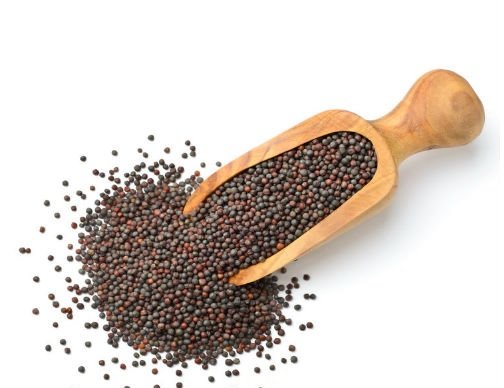







Mustard seeds come from the mustard plant, which belongs to the Brassicaceae family. The seeds are small and round, and they are commonly used as a spice in various cuisines around the world.
### **Types:**
1. **Yellow Mustard Seeds:**
- **Appearance:** These seeds are small, round, and pale yellow.
- **Flavor:** They have a mild, slightly tangy flavor and are often used in American and European cuisines, particularly in condiments like mustard.
2. **Brown Mustard Seeds:**
- **Appearance:** Slightly smaller than yellow seeds and darker brown in color.
- **Flavor:** They have a stronger, more pungent flavor with a bit of heat. Brown mustard seeds are commonly used in Indian and Asian cooking.
3. **Black Mustard Seeds:**
- **Appearance:** These are the smallest and darkest of the mustard seeds.
- **Flavor:** They have a sharp, spicy flavor and are frequently used in Indian cuisine, particularly in tempering and pickling.
### **Uses:**
- **Culinary:** Mustard seeds are used in a variety of ways, including whole in pickles, sauces, and spice blends, or ground into a powder for use in recipes. When heated, mustard seeds release their essential oils and can develop a nutty flavor. They are often used in tempering (a cooking technique involving frying spices in hot oil) and in dishes like curries and soups.
- **Condiments:** Ground mustard seeds are a key ingredient in mustard condiments, which can range from mild yellow mustard to spicy Dijon or hot English mustard.
### **Health Benefits:**
Mustard seeds are also known for their potential health benefits. They contain antioxidants and essential nutrients such as selenium, magnesium, and omega-3 fatty acids. They may aid digestion, have anti-inflammatory properties, and provide some cardiovascular benefits.
Overall, mustard seeds are a versatile and essential ingredient in many global cuisines, valued for their ability to enhance flavor and add a distinctive kick to dishes.
Mustard seeds come from the mustard plant, which belongs to the Brassicaceae family. The seeds are small and round, and they are commonly used as a spice in various cuisines around the world.
### **Types:**
1. **Yellow Mustard Seeds:**
- **Appearance:** These seeds are small, round, and pale yellow.
- **Flavor:** They have a mild, slightly tangy flavor and are often used in American and European cuisines, particularly in condiments like mustard.
2. **Brown Mustard Seeds:**
- **Appearance:** Slightly smaller than yellow seeds and darker brown in color.
- **Flavor:** They have a stronger, more pungent flavor with a bit of heat. Brown mustard seeds are commonly used in Indian and Asian cooking.
3. **Black Mustard Seeds:**
- **Appearance:** These are the smallest and darkest of the mustard seeds.
- **Flavor:** They have a sharp, spicy flavor and are frequently used in Indian cuisine, particularly in tempering and pickling.
### **Uses:**
- **Culinary:** Mustard seeds are used in a variety of ways, including whole in pickles, sauces, and spice blends, or ground into a powder for use in recipes. When heated, mustard seeds release their essential oils and can develop a nutty flavor. They are often used in tempering (a cooking technique involving frying spices in hot oil) and in dishes like curries and soups.
- **Condiments:** Ground mustard seeds are a key ingredient in mustard condiments, which can range from mild yellow mustard to spicy Dijon or hot English mustard.
### **Health Benefits:**
Mustard seeds are also known for their potential health benefits. They contain antioxidants and essential nutrients such as selenium, magnesium, and omega-3 fatty acids. They may aid digestion, have anti-inflammatory properties, and provide some cardiovascular benefits.
Overall, mustard seeds are a versatile and essential ingredient in many global cuisines, valued for their ability to enhance flavor and add a distinctive kick to dishes.
Mustard seeds come from the mustard plant, which belongs to the Brassicaceae family. The seeds are small and round, and they are commonly used as a spice in various cuisines around the world.
### **Types:**
1. **Yellow Mustard Seeds:**
- **Appearance:** These seeds are small, round, and pale yellow.
- **Flavor:** They have a mild, slightly tangy flavor and are often used in American and European cuisines, particularly in condiments like mustard.
2. **Brown Mustard Seeds:**
- **Appearance:** Slightly smaller than yellow seeds and darker brown in color.
- **Flavor:** They have a stronger, more pungent flavor with a bit of heat. Brown mustard seeds are commonly used in Indian and Asian cooking.
3. **Black Mustard Seeds:**
- **Appearance:** These are the smallest and darkest of the mustard seeds.
- **Flavor:** They have a sharp, spicy flavor and are frequently used in Indian cuisine, particularly in tempering and pickling.
### **Uses:**
- **Culinary:** Mustard seeds are used in a variety of ways, including whole in pickles, sauces, and spice blends, or ground into a powder for use in recipes. When heated, mustard seeds release their essential oils and can develop a nutty flavor. They are often used in tempering (a cooking technique involving frying spices in hot oil) and in dishes like curries and soups.
- **Condiments:** Ground mustard seeds are a key ingredient in mustard condiments, which can range from mild yellow mustard to spicy Dijon or hot English mustard.
### **Health Benefits:**
Mustard seeds are also known for their potential health benefits. They contain antioxidants and essential nutrients such as selenium, magnesium, and omega-3 fatty acids. They may aid digestion, have anti-inflammatory properties, and provide some cardiovascular benefits.
Overall, mustard seeds are a versatile and essential ingredient in many global cuisines, valued for their ability to enhance flavor and add a distinctive kick to dishes.
Mustard seeds come from the mustard plant, which belongs to the Brassicaceae family. The seeds are small and round, and they are commonly used as a spice in various cuisines around the world.
### **Types:**
1. **Yellow Mustard Seeds:**
- **Appearance:** These seeds are small, round, and pale yellow.
- **Flavor:** They have a mild, slightly tangy flavor and are often used in American and European cuisines, particularly in condiments like mustard.
2. **Brown Mustard Seeds:**
- **Appearance:** Slightly smaller than yellow seeds and darker brown in color.
- **Flavor:** They have a stronger, more pungent flavor with a bit of heat. Brown mustard seeds are commonly used in Indian and Asian cooking.
3. **Black Mustard Seeds:**
- **Appearance:** These are the smallest and darkest of the mustard seeds.
- **Flavor:** They have a sharp, spicy flavor and are frequently used in Indian cuisine, particularly in tempering and pickling.
### **Uses:**
- **Culinary:** Mustard seeds are used in a variety of ways, including whole in pickles, sauces, and spice blends, or ground into a powder for use in recipes. When heated, mustard seeds release their essential oils and can develop a nutty flavor. They are often used in tempering (a cooking technique involving frying spices in hot oil) and in dishes like curries and soups.
- **Condiments:** Ground mustard seeds are a key ingredient in mustard condiments, which can range from mild yellow mustard to spicy Dijon or hot English mustard.
### **Health Benefits:**
Mustard seeds are also known for their potential health benefits. They contain antioxidants and essential nutrients such as selenium, magnesium, and omega-3 fatty acids. They may aid digestion, have anti-inflammatory properties, and provide some cardiovascular benefits.
Overall, mustard seeds are a versatile and essential ingredient in many global cuisines, valued for their ability to enhance flavor and add a distinctive kick to dishes.
FRESH
3 DAY

Novarsistech Copyright 2008-26. All rights reserved.