





Arhar dal, also known as toor dal or pigeon peas, is a staple in Indian cuisine. Here's a detailed description:
### What is Arhar Dal?
- **Name**: Arhar dal (also known as toor dal, tuvar dal, or pigeon peas).
- **Type**: Legume.
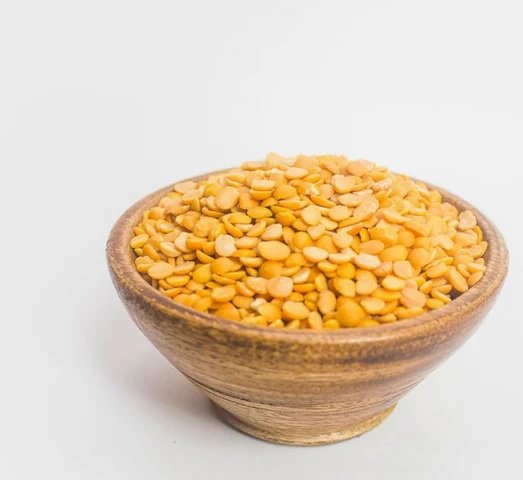
- **Appearance**: Typically yellow when split and hulled. Whole pigeon peas are beige or light brown.
### Nutritional Profile
- **Protein**: A good source of plant-based protein.
- **Fiber**: High in dietary fiber.
- **Vitamins and Minerals**: Contains B vitamins (especially folate), iron, potassium, and magnesium.
### Taste and Texture
- **Taste**: Mildly nutty and slightly earthy.
- **Texture**: Softens to a creamy consistency when cooked.
### Common Uses
- **Curries and Stews**: Often used in Indian dals and curries, where it's cooked with spices, tomatoes, and sometimes vegetables.
- **Sambar**: A South Indian dish where it’s simmered with tamarind and vegetables.
- **Dal Tadka**: A dish where cooked dal is tempered with spices like cumin, mustard seeds, and garlic.
### Cooking Tips
- **Preparation**: Typically requires rinsing before cooking. Soaking is optional but can reduce cooking time.
- **Cooking Method**: Usually boiled until soft. It can be cooked in a pressure cooker for faster results.
### Variations
- **Split Arhar Dal**: The most common form, where the outer shell is removed.
- **Whole Arhar Dal**: The peas are left whole, which have a firmer texture when cooked.
Arhar dal is cherished for its versatility and nutritional benefits, making it a key ingredient in many traditional and contemporary dishes.
Arhar dal, also known as toor dal or pigeon peas, is a staple in Indian cuisine. Here's a detailed description:
### What is Arhar Dal?
- **Name**: Arhar dal (also known as toor dal, tuvar dal, or pigeon peas).
- **Type**: Legume.
- **Appearance**: Typically yellow when split and hulled. Whole pigeon peas are beige or light brown.
### Nutritional Profile
- **Protein**: A good source of plant-based protein.
- **Fiber**: High in dietary fiber.
- **Vitamins and Minerals**: Contains B vitamins (especially folate), iron, potassium, and magnesium.
### Taste and Texture
- **Taste**: Mildly nutty and slightly earthy.
- **Texture**: Softens to a creamy consistency when cooked.
### Common Uses
- **Curries and Stews**: Often used in Indian dals and curries, where it's cooked with spices, tomatoes, and sometimes vegetables.
- **Sambar**: A South Indian dish where it’s simmered with tamarind and vegetables.
- **Dal Tadka**: A dish where cooked dal is tempered with spices like cumin, mustard seeds, and garlic.
### Cooking Tips
- **Preparation**: Typically requires rinsing before cooking. Soaking is optional but can reduce cooking time.
- **Cooking Method**: Usually boiled until soft. It can be cooked in a pressure cooker for faster results.
### Variations
- **Split Arhar Dal**: The most common form, where the outer shell is removed.
- **Whole Arhar Dal**: The peas are left whole, which have a firmer texture when cooked.
Arhar dal is cherished for its versatility and nutritional benefits, making it a key ingredient in many traditional and contemporary dishes.
Arhar dal, also known as toor dal or pigeon peas, is a staple in Indian cuisine. Here's a detailed description:
### What is Arhar Dal?
- **Name**: Arhar dal (also known as toor dal, tuvar dal, or pigeon peas).
- **Type**: Legume.
- **Appearance**: Typically yellow when split and hulled. Whole pigeon peas are beige or light brown.
### Nutritional Profile
- **Protein**: A good source of plant-based protein.
- **Fiber**: High in dietary fiber.
- **Vitamins and Minerals**: Contains B vitamins (especially folate), iron, potassium, and magnesium.
### Taste and Texture
- **Taste**: Mildly nutty and slightly earthy.
- **Texture**: Softens to a creamy consistency when cooked.
### Common Uses
- **Curries and Stews**: Often used in Indian dals and curries, where it's cooked with spices, tomatoes, and sometimes vegetables.
- **Sambar**: A South Indian dish where it’s simmered with tamarind and vegetables.
- **Dal Tadka**: A dish where cooked dal is tempered with spices like cumin, mustard seeds, and garlic.
### Cooking Tips
- **Preparation**: Typically requires rinsing before cooking. Soaking is optional but can reduce cooking time.
- **Cooking Method**: Usually boiled until soft. It can be cooked in a pressure cooker for faster results.
### Variations
- **Split Arhar Dal**: The most common form, where the outer shell is removed.
- **Whole Arhar Dal**: The peas are left whole, which have a firmer texture when cooked.
Arhar dal is cherished for its versatility and nutritional benefits, making it a key ingredient in many traditional and contemporary dishes.
FRESH
3 DAY

Novarsistech Copyright 2008-26. All rights reserved.