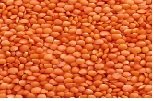







Masoor dal, also known as red lentils, is a popular and versatile type of lentil used in various cuisines, particularly in South Asian cooking. Here’s a detailed description:
**Appearance:**
- **Color:** Masoor dal is typically reddish-orange or pink when raw. When cooked, it turns a yellowish color.
- **Shape and Size:** These lentils are small, round, and flat, with a smooth surface.
**Nutritional Value:**
- **Protein:** Masoor dal is an excellent source of plant-based protein, making it a valuable addition to vegetarian and vegan diets.
- **Fiber:** It is high in dietary fiber, which supports digestive health and helps in maintaining stable blood sugar levels.
- **Vitamins and Minerals:** It provides essential nutrients like folate, iron, magnesium, and potassium.
- **Low Fat:** Masoor dal is low in fat and contains no cholesterol.
**Culinary Uses:**
- **Culinary Diversity:** Masoor dal is used extensively in Indian, Pakistani, Bangladeshi, and Sri Lankan cuisines, among others.
- **Dishes:** It is commonly used in soups, stews, and curries. It can also be made into dals (lentil-based dishes) and used in salads and side dishes.
- **Preparation:** It cooks relatively quickly compared to other legumes and does not require soaking before cooking.
**Preparation:**
- **Cooking:** Masoor dal generally takes about 20-30 minutes to cook. It becomes soft and mushy when cooked, making it ideal for soups and stews.
- **Varieties:** It can be used whole or split, and sometimes it is available in a hulled form (where the outer skin is removed).
**Health Benefits:**
- **Heart Health:** Its fiber content helps lower cholesterol levels, which can contribute to cardiovascular health.
- **Digestive Health:** High fiber content aids in digestion and helps prevent constipation.
- **Weight Management:** The high protein and fiber content can help in maintaining a healthy weight by promoting a feeling of fullness.
**Flavor and Texture:**
- **Taste:** Masoor dal has a mild, slightly nutty flavor.
- **Texture:** When cooked, it has a soft, mushy texture, which is ideal for creating smooth dals and soups.
Masoor dal is celebrated for its versatility and nutritional benefits, making it a staple in many households. Its quick cooking time and adaptability in various recipes make it a convenient and healthy choice for daily meals.
Masoor dal, also known as red lentils, is a popular and versatile type of lentil used in various cuisines, particularly in South Asian cooking. Here’s a detailed description:
**Appearance:**
- **Color:** Masoor dal is typically reddish-orange or pink when raw. When cooked, it turns a yellowish color.
- **Shape and Size:** These lentils are small, round, and flat, with a smooth surface.
**Nutritional Value:**
- **Protein:** Masoor dal is an excellent source of plant-based protein, making it a valuable addition to vegetarian and vegan diets.
- **Fiber:** It is high in dietary fiber, which supports digestive health and helps in maintaining stable blood sugar levels.
- **Vitamins and Minerals:** It provides essential nutrients like folate, iron, magnesium, and potassium.
- **Low Fat:** Masoor dal is low in fat and contains no cholesterol.
**Culinary Uses:**
- **Culinary Diversity:** Masoor dal is used extensively in Indian, Pakistani, Bangladeshi, and Sri Lankan cuisines, among others.
- **Dishes:** It is commonly used in soups, stews, and curries. It can also be made into dals (lentil-based dishes) and used in salads and side dishes.
- **Preparation:** It cooks relatively quickly compared to other legumes and does not require soaking before cooking.
**Preparation:**
- **Cooking:** Masoor dal generally takes about 20-30 minutes to cook. It becomes soft and mushy when cooked, making it ideal for soups and stews.
- **Varieties:** It can be used whole or split, and sometimes it is available in a hulled form (where the outer skin is removed).
**Health Benefits:**
- **Heart Health:** Its fiber content helps lower cholesterol levels, which can contribute to cardiovascular health.
- **Digestive Health:** High fiber content aids in digestion and helps prevent constipation.
- **Weight Management:** The high protein and fiber content can help in maintaining a healthy weight by promoting a feeling of fullness.
**Flavor and Texture:**
- **Taste:** Masoor dal has a mild, slightly nutty flavor.
- **Texture:** When cooked, it has a soft, mushy texture, which is ideal for creating smooth dals and soups.
Masoor dal is celebrated for its versatility and nutritional benefits, making it a staple in many households. Its quick cooking time and adaptability in various recipes make it a convenient and healthy choice for daily meals.
Masoor dal, also known as red lentils, is a popular and versatile type of lentil used in various cuisines, particularly in South Asian cooking. Here’s a detailed description:
**Appearance:**
- **Color:** Masoor dal is typically reddish-orange or pink when raw. When cooked, it turns a yellowish color.
- **Shape and Size:** These lentils are small, round, and flat, with a smooth surface.
**Nutritional Value:**
- **Protein:** Masoor dal is an excellent source of plant-based protein, making it a valuable addition to vegetarian and vegan diets.
- **Fiber:** It is high in dietary fiber, which supports digestive health and helps in maintaining stable blood sugar levels.
- **Vitamins and Minerals:** It provides essential nutrients like folate, iron, magnesium, and potassium.
- **Low Fat:** Masoor dal is low in fat and contains no cholesterol.
**Culinary Uses:**
- **Culinary Diversity:** Masoor dal is used extensively in Indian, Pakistani, Bangladeshi, and Sri Lankan cuisines, among others.
- **Dishes:** It is commonly used in soups, stews, and curries. It can also be made into dals (lentil-based dishes) and used in salads and side dishes.
- **Preparation:** It cooks relatively quickly compared to other legumes and does not require soaking before cooking.
**Preparation:**
- **Cooking:** Masoor dal generally takes about 20-30 minutes to cook. It becomes soft and mushy when cooked, making it ideal for soups and stews.
- **Varieties:** It can be used whole or split, and sometimes it is available in a hulled form (where the outer skin is removed).
**Health Benefits:**
- **Heart Health:** Its fiber content helps lower cholesterol levels, which can contribute to cardiovascular health.
- **Digestive Health:** High fiber content aids in digestion and helps prevent constipation.
- **Weight Management:** The high protein and fiber content can help in maintaining a healthy weight by promoting a feeling of fullness.
**Flavor and Texture:**
- **Taste:** Masoor dal has a mild, slightly nutty flavor.
- **Texture:** When cooked, it has a soft, mushy texture, which is ideal for creating smooth dals and soups.
Masoor dal is celebrated for its versatility and nutritional benefits, making it a staple in many households. Its quick cooking time and adaptability in various recipes make it a convenient and healthy choice for daily meals.
FRESH
3 DAYS

Novarsistech Copyright 2008-26. All rights reserved.