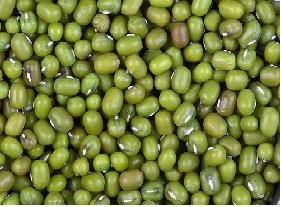






Moong dal, also known as mung dal, is a type of lentil that is widely used in various cuisines, particularly in South Asian cooking. Here’s a detailed description:
**Appearance:**
- **Color:** Moong dal can be green, yellow, or split. The green variety has a greenish-brown skin, while the yellow variety is often split and hulled, with a bright yellow color.
- **Shape and Size:** Moong dal is small, round, and smooth. Whole moong beans are slightly larger and oval-shaped.
**Nutritional Value:**
- **Protein:** Moong dal is an excellent source of plant-based protein, which makes it particularly valuable in vegetarian and vegan diets.
- **Fiber:** It is high in dietary fiber, promoting good digestive health and helping to maintain stable blood sugar levels.
- **Vitamins and Minerals:** Moong dal provides essential nutrients, including folate, iron, potassium, magnesium, and B vitamins.
- **Low Fat:** It is low in fat and contains no cholesterol.
**Culinary Uses:**
- **Culinary Diversity:** Moong dal is used in a variety of dishes across Indian, Pakistani, Bangladeshi, and other South Asian cuisines.
- **Dishes:** It is commonly used to make soups, stews, and curries. Moong dal can be cooked into a soft, creamy consistency and used in dishes like khichdi, dal, and various types of soups.
- **Preparation:** It cooks relatively quickly and does not always require soaking. It can be used whole or split, and sometimes it is available in a hulled form.
**Preparation:**
- **Cooking:** Moong dal typically cooks in about 15-20 minutes. When cooked, it becomes soft and can be easily mashed, making it ideal for creamy soups and stews.
- **Varieties:** Whole moong beans (green) can be used in salads or cooked into a dry dish. Split moong dal (yellow) is more common for soups and dals.
**Health Benefits:**
- **Heart Health:** The fiber, potassium, and other nutrients in moong dal support cardiovascular health and can help lower blood pressure.
- **Digestive Health:** The fiber content promotes healthy digestion and helps prevent constipation.
- **Weight Management:** High protein and fiber content can aid in weight management by promoting a sense of fullness.
**Flavor and Texture:**
- **Taste:** Moong dal has a mild, slightly nutty flavor.
- **Texture:** When cooked, it has a soft, smooth texture, making it suitable for both creamy and chunky dishes.
Moong dal is valued for its versatility, nutritional benefits, and ease of preparation. Its ability to cook quickly and adapt to various recipes makes it a popular choice in many kitchens.
Moong dal, also known as mung dal, is a type of lentil that is widely used in various cuisines, particularly in South Asian cooking. Here’s a detailed description:
**Appearance:**
- **Color:** Moong dal can be green, yellow, or split. The green variety has a greenish-brown skin, while the yellow variety is often split and hulled, with a bright yellow color.
- **Shape and Size:** Moong dal is small, round, and smooth. Whole moong beans are slightly larger and oval-shaped.
**Nutritional Value:**
- **Protein:** Moong dal is an excellent source of plant-based protein, which makes it particularly valuable in vegetarian and vegan diets.
- **Fiber:** It is high in dietary fiber, promoting good digestive health and helping to maintain stable blood sugar levels.
- **Vitamins and Minerals:** Moong dal provides essential nutrients, including folate, iron, potassium, magnesium, and B vitamins.
- **Low Fat:** It is low in fat and contains no cholesterol.
**Culinary Uses:**
- **Culinary Diversity:** Moong dal is used in a variety of dishes across Indian, Pakistani, Bangladeshi, and other South Asian cuisines.
- **Dishes:** It is commonly used to make soups, stews, and curries. Moong dal can be cooked into a soft, creamy consistency and used in dishes like khichdi, dal, and various types of soups.
- **Preparation:** It cooks relatively quickly and does not always require soaking. It can be used whole or split, and sometimes it is available in a hulled form.
**Preparation:**
- **Cooking:** Moong dal typically cooks in about 15-20 minutes. When cooked, it becomes soft and can be easily mashed, making it ideal for creamy soups and stews.
- **Varieties:** Whole moong beans (green) can be used in salads or cooked into a dry dish. Split moong dal (yellow) is more common for soups and dals.
**Health Benefits:**
- **Heart Health:** The fiber, potassium, and other nutrients in moong dal support cardiovascular health and can help lower blood pressure.
- **Digestive Health:** The fiber content promotes healthy digestion and helps prevent constipation.
- **Weight Management:** High protein and fiber content can aid in weight management by promoting a sense of fullness.
**Flavor and Texture:**
- **Taste:** Moong dal has a mild, slightly nutty flavor.
- **Texture:** When cooked, it has a soft, smooth texture, making it suitable for both creamy and chunky dishes.
Moong dal is valued for its versatility, nutritional benefits, and ease of preparation. Its ability to cook quickly and adapt to various recipes makes it a popular choice in many kitchens.
Moong dal, also known as mung dal, is a type of lentil that is widely used in various cuisines, particularly in South Asian cooking. Here’s a detailed description:
**Appearance:**
- **Color:** Moong dal can be green, yellow, or split. The green variety has a greenish-brown skin, while the yellow variety is often split and hulled, with a bright yellow color.
- **Shape and Size:** Moong dal is small, round, and smooth. Whole moong beans are slightly larger and oval-shaped.
**Nutritional Value:**
- **Protein:** Moong dal is an excellent source of plant-based protein, which makes it particularly valuable in vegetarian and vegan diets.
- **Fiber:** It is high in dietary fiber, promoting good digestive health and helping to maintain stable blood sugar levels.
- **Vitamins and Minerals:** Moong dal provides essential nutrients, including folate, iron, potassium, magnesium, and B vitamins.
- **Low Fat:** It is low in fat and contains no cholesterol.
**Culinary Uses:**
- **Culinary Diversity:** Moong dal is used in a variety of dishes across Indian, Pakistani, Bangladeshi, and other South Asian cuisines.
- **Dishes:** It is commonly used to make soups, stews, and curries. Moong dal can be cooked into a soft, creamy consistency and used in dishes like khichdi, dal, and various types of soups.
- **Preparation:** It cooks relatively quickly and does not always require soaking. It can be used whole or split, and sometimes it is available in a hulled form.
**Preparation:**
- **Cooking:** Moong dal typically cooks in about 15-20 minutes. When cooked, it becomes soft and can be easily mashed, making it ideal for creamy soups and stews.
- **Varieties:** Whole moong beans (green) can be used in salads or cooked into a dry dish. Split moong dal (yellow) is more common for soups and dals.
**Health Benefits:**
- **Heart Health:** The fiber, potassium, and other nutrients in moong dal support cardiovascular health and can help lower blood pressure.
- **Digestive Health:** The fiber content promotes healthy digestion and helps prevent constipation.
- **Weight Management:** High protein and fiber content can aid in weight management by promoting a sense of fullness.
**Flavor and Texture:**
- **Taste:** Moong dal has a mild, slightly nutty flavor.
- **Texture:** When cooked, it has a soft, smooth texture, making it suitable for both creamy and chunky dishes.
Moong dal is valued for its versatility, nutritional benefits, and ease of preparation. Its ability to cook quickly and adapt to various recipes makes it a popular choice in many kitchens.
FRESH
3 DAYS

Novarsistech Copyright 2008-26. All rights reserved.