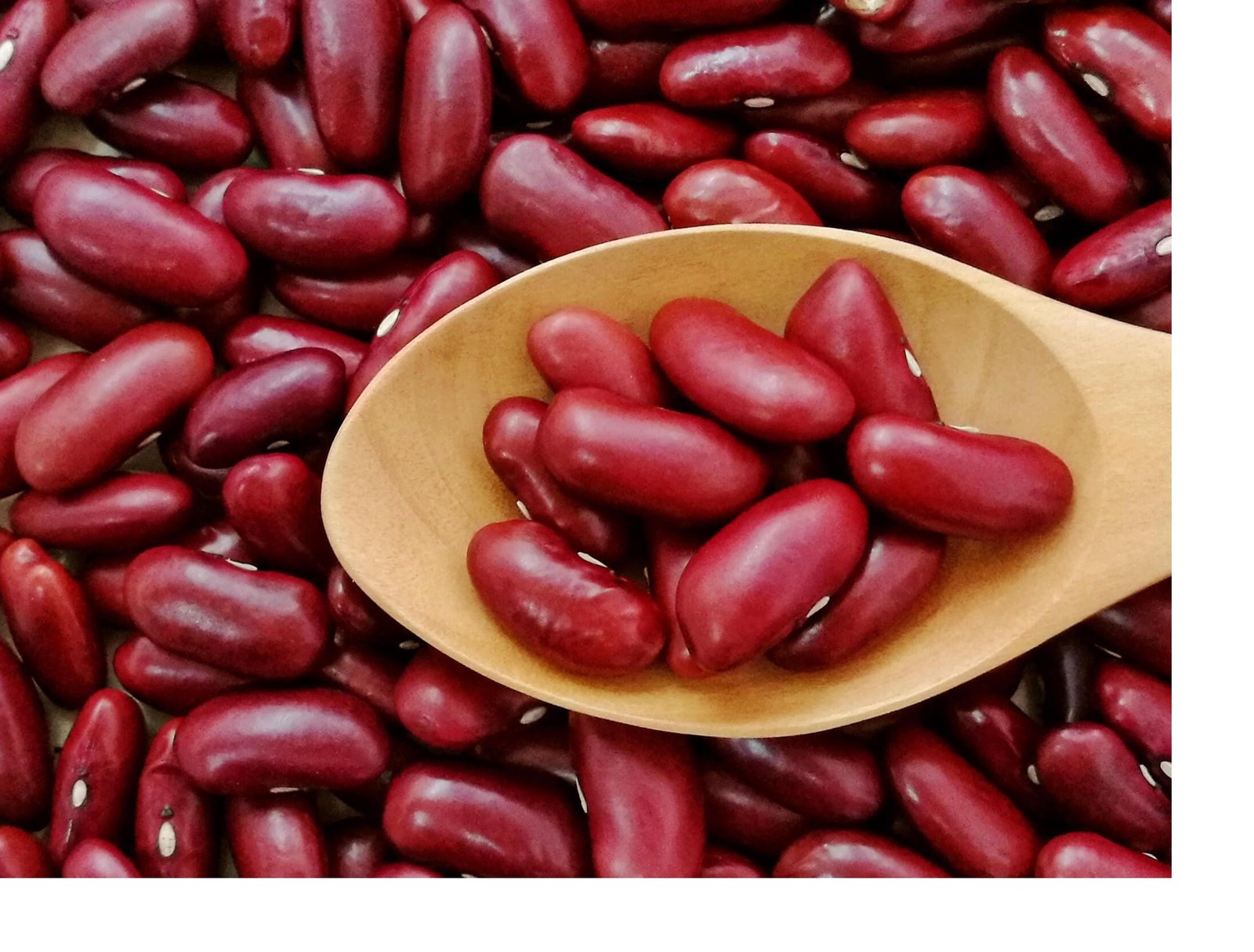







Rajma dal, commonly known as kidney beans, is a popular legume used extensively in South Asian cuisine. Here's a detailed description:
**Appearance:**
- **Color:** Rajma dal is typically red or dark brown, although some varieties may be lighter.
- **Shape and Size:** The beans are kidney-shaped, with a smooth, shiny surface. They are larger than many other types of beans.
**Nutritional Value:**
- **Protein:** Rajma dal is a great source of plant-based protein, making it an important food for vegetarians and vegans.
- **Fiber:** It is high in dietary fiber, which helps support digestive health and maintain stable blood sugar levels.
- **Vitamins and Minerals:** Rajma dal provides essential nutrients, including folate, iron, potassium, magnesium, and calcium.
- **Low Fat:** It is low in fat and contains no cholesterol.
**Culinary Uses:**
- **Culinary Diversity:** Rajma dal is widely used in Indian, Pakistani, and Bangladeshi cuisines, among others.
- **Dishes:** It is most famously used to make "Rajma," a hearty, spiced kidney bean curry that is a staple in North Indian cuisine. Rajma can also be added to soups, stews, and salads.
- **Preparation:** Rajma dal generally needs to be soaked overnight to reduce cooking time and improve digestibility. It can then be cooked by boiling or pressure cooking until tender.
**Preparation:**
- **Cooking:** After soaking, rajma dal typically takes 45-60 minutes to cook on the stove, or about 15-20 minutes in a pressure cooker. Canned kidney beans are also available for convenience and only need to be heated through.
- **Varieties:** Rajma dal is usually sold in dried form, and sometimes it is available in canned form.
**Health Benefits:**
- **Heart Health:** The fiber, potassium, and other nutrients in rajma dal contribute to cardiovascular health by helping to lower blood pressure and cholesterol levels.
- **Digestive Health:** High fiber content promotes healthy digestion and can prevent constipation.
- **Blood Sugar Regulation:** Rajma dal’s low glycemic index helps in maintaining steady blood sugar levels.
**Flavor and Texture:**
- **Taste:** Rajma dal has a slightly nutty, earthy flavor that pairs well with a variety of spices.
- **Texture:** When cooked, it has a soft, creamy texture that makes it ideal for hearty stews and curries.
Rajma dal is cherished for its rich flavor, nutritional benefits, and versatility. It’s a staple ingredient in many households and a key component of traditional dishes, especially in North India.
Rajma dal, commonly known as kidney beans, is a popular legume used extensively in South Asian cuisine. Here's a detailed description:
**Appearance:**
- **Color:** Rajma dal is typically red or dark brown, although some varieties may be lighter.
- **Shape and Size:** The beans are kidney-shaped, with a smooth, shiny surface. They are larger than many other types of beans.
**Nutritional Value:**
- **Protein:** Rajma dal is a great source of plant-based protein, making it an important food for vegetarians and vegans.
- **Fiber:** It is high in dietary fiber, which helps support digestive health and maintain stable blood sugar levels.
- **Vitamins and Minerals:** Rajma dal provides essential nutrients, including folate, iron, potassium, magnesium, and calcium.
- **Low Fat:** It is low in fat and contains no cholesterol.
**Culinary Uses:**
- **Culinary Diversity:** Rajma dal is widely used in Indian, Pakistani, and Bangladeshi cuisines, among others.
- **Dishes:** It is most famously used to make "Rajma," a hearty, spiced kidney bean curry that is a staple in North Indian cuisine. Rajma can also be added to soups, stews, and salads.
- **Preparation:** Rajma dal generally needs to be soaked overnight to reduce cooking time and improve digestibility. It can then be cooked by boiling or pressure cooking until tender.
**Preparation:**
- **Cooking:** After soaking, rajma dal typically takes 45-60 minutes to cook on the stove, or about 15-20 minutes in a pressure cooker. Canned kidney beans are also available for convenience and only need to be heated through.
- **Varieties:** Rajma dal is usually sold in dried form, and sometimes it is available in canned form.
**Health Benefits:**
- **Heart Health:** The fiber, potassium, and other nutrients in rajma dal contribute to cardiovascular health by helping to lower blood pressure and cholesterol levels.
- **Digestive Health:** High fiber content promotes healthy digestion and can prevent constipation.
- **Blood Sugar Regulation:** Rajma dal’s low glycemic index helps in maintaining steady blood sugar levels.
**Flavor and Texture:**
- **Taste:** Rajma dal has a slightly nutty, earthy flavor that pairs well with a variety of spices.
- **Texture:** When cooked, it has a soft, creamy texture that makes it ideal for hearty stews and curries.
Rajma dal is cherished for its rich flavor, nutritional benefits, and versatility. It’s a staple ingredient in many households and a key component of traditional dishes, especially in North India.
Rajma dal, commonly known as kidney beans, is a popular legume used extensively in South Asian cuisine. Here's a detailed description:
**Appearance:**
- **Color:** Rajma dal is typically red or dark brown, although some varieties may be lighter.
- **Shape and Size:** The beans are kidney-shaped, with a smooth, shiny surface. They are larger than many other types of beans.
**Nutritional Value:**
- **Protein:** Rajma dal is a great source of plant-based protein, making it an important food for vegetarians and vegans.
- **Fiber:** It is high in dietary fiber, which helps support digestive health and maintain stable blood sugar levels.
- **Vitamins and Minerals:** Rajma dal provides essential nutrients, including folate, iron, potassium, magnesium, and calcium.
- **Low Fat:** It is low in fat and contains no cholesterol.
**Culinary Uses:**
- **Culinary Diversity:** Rajma dal is widely used in Indian, Pakistani, and Bangladeshi cuisines, among others.
- **Dishes:** It is most famously used to make "Rajma," a hearty, spiced kidney bean curry that is a staple in North Indian cuisine. Rajma can also be added to soups, stews, and salads.
- **Preparation:** Rajma dal generally needs to be soaked overnight to reduce cooking time and improve digestibility. It can then be cooked by boiling or pressure cooking until tender.
**Preparation:**
- **Cooking:** After soaking, rajma dal typically takes 45-60 minutes to cook on the stove, or about 15-20 minutes in a pressure cooker. Canned kidney beans are also available for convenience and only need to be heated through.
- **Varieties:** Rajma dal is usually sold in dried form, and sometimes it is available in canned form.
**Health Benefits:**
- **Heart Health:** The fiber, potassium, and other nutrients in rajma dal contribute to cardiovascular health by helping to lower blood pressure and cholesterol levels.
- **Digestive Health:** High fiber content promotes healthy digestion and can prevent constipation.
- **Blood Sugar Regulation:** Rajma dal’s low glycemic index helps in maintaining steady blood sugar levels.
**Flavor and Texture:**
- **Taste:** Rajma dal has a slightly nutty, earthy flavor that pairs well with a variety of spices.
- **Texture:** When cooked, it has a soft, creamy texture that makes it ideal for hearty stews and curries.
Rajma dal is cherished for its rich flavor, nutritional benefits, and versatility. It’s a staple ingredient in many households and a key component of traditional dishes, especially in North India.
FRESH
3 DAYS

Novarsistech Copyright 2008-26. All rights reserved.