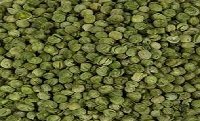







Peas dal, often referred to as "green pea dal," is a popular legume dish in various cuisines, particularly in Indian cooking. Here’s a detailed description:
### Appearance
- **Seeds**: Typically made from split yellow or green peas, which are small, round, and smooth.
- **Color**: The split peas have a bright yellow or vibrant green color, depending on the variety.
### Nutritional Value
- **Protein**: High in protein, making it a great meat substitute in vegetarian diets.
- **Fiber**: Rich in dietary fiber, which aids in digestion and promotes gut health.
- **Vitamins and Minerals**: Contains essential nutrients like vitamins A, C, and K, as well as iron and magnesium.
### Culinary Uses
- **Preparation**: Commonly cooked as a soup or stew, often seasoned with spices like turmeric, cumin, and coriander.
- **Dishes**: Can be served as a dal alongside rice or flatbreads, or used as a filling in various dishes like parathas or stuffed vegetables.
### Health Benefits
- Supports weight management due to its high fiber content, which promotes a feeling of fullness.
- May help regulate blood sugar levels and improve heart health.
### Growing Conditions
- Grows well in cooler climates and is typically planted in the spring or fall.
- Prefers well-drained soil and moderate moisture.
Peas dal is not only nutritious but also flavorful, making it a staple in many households. Its versatility allows it to be enjoyed in a variety of dishes!
Peas dal, often referred to as "green pea dal," is a popular legume dish in various cuisines, particularly in Indian cooking. Here’s a detailed description:
### Appearance
- **Seeds**: Typically made from split yellow or green peas, which are small, round, and smooth.
- **Color**: The split peas have a bright yellow or vibrant green color, depending on the variety.
### Nutritional Value
- **Protein**: High in protein, making it a great meat substitute in vegetarian diets.
- **Fiber**: Rich in dietary fiber, which aids in digestion and promotes gut health.
- **Vitamins and Minerals**: Contains essential nutrients like vitamins A, C, and K, as well as iron and magnesium.
### Culinary Uses
- **Preparation**: Commonly cooked as a soup or stew, often seasoned with spices like turmeric, cumin, and coriander.
- **Dishes**: Can be served as a dal alongside rice or flatbreads, or used as a filling in various dishes like parathas or stuffed vegetables.
### Health Benefits
- Supports weight management due to its high fiber content, which promotes a feeling of fullness.
- May help regulate blood sugar levels and improve heart health.
### Growing Conditions
- Grows well in cooler climates and is typically planted in the spring or fall.
- Prefers well-drained soil and moderate moisture.
Peas dal is not only nutritious but also flavorful, making it a staple in many households. Its versatility allows it to be enjoyed in a variety of dishes!
Peas dal, often referred to as "green pea dal," is a popular legume dish in various cuisines, particularly in Indian cooking. Here’s a detailed description:
### Appearance
- **Seeds**: Typically made from split yellow or green peas, which are small, round, and smooth.
- **Color**: The split peas have a bright yellow or vibrant green color, depending on the variety.
### Nutritional Value
- **Protein**: High in protein, making it a great meat substitute in vegetarian diets.
- **Fiber**: Rich in dietary fiber, which aids in digestion and promotes gut health.
- **Vitamins and Minerals**: Contains essential nutrients like vitamins A, C, and K, as well as iron and magnesium.
### Culinary Uses
- **Preparation**: Commonly cooked as a soup or stew, often seasoned with spices like turmeric, cumin, and coriander.
- **Dishes**: Can be served as a dal alongside rice or flatbreads, or used as a filling in various dishes like parathas or stuffed vegetables.
### Health Benefits
- Supports weight management due to its high fiber content, which promotes a feeling of fullness.
- May help regulate blood sugar levels and improve heart health.
### Growing Conditions
- Grows well in cooler climates and is typically planted in the spring or fall.
- Prefers well-drained soil and moderate moisture.
Peas dal is not only nutritious but also flavorful, making it a staple in many households. Its versatility allows it to be enjoyed in a variety of dishes!
FRESH
3 DAY

Novarsistech Copyright 2008-26. All rights reserved.