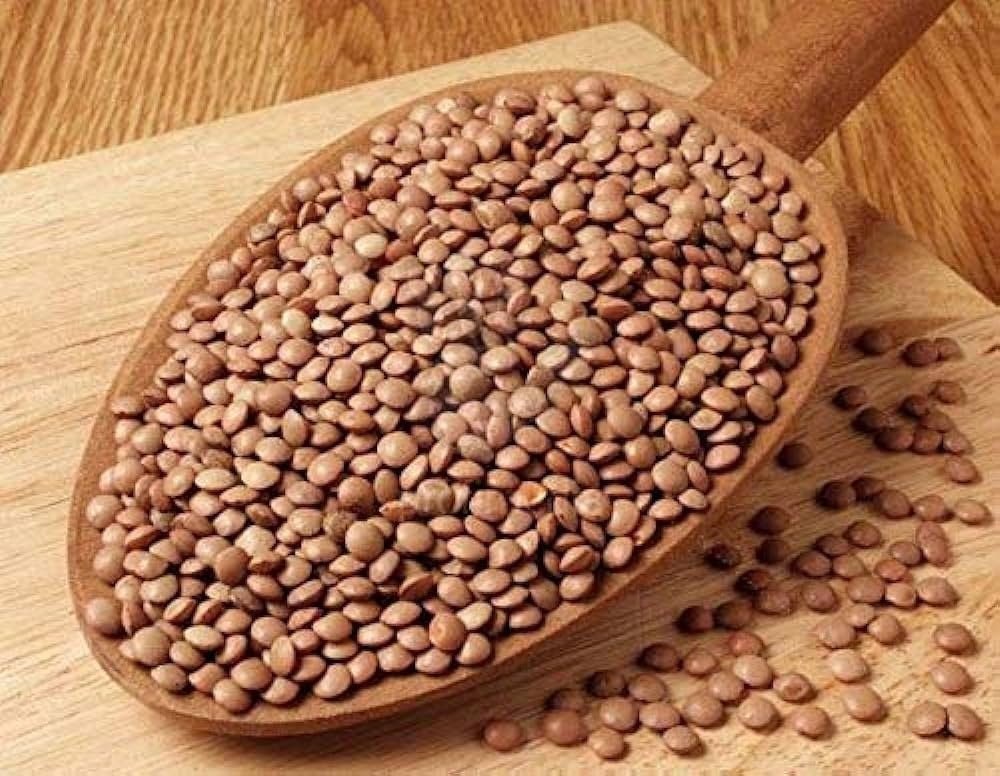







**Masoor kali**, also known as black masoor dal or black lentils, is a variety of lentil popular in Indian and other South Asian cuisines. Here’s a detailed description:
### Appearance
- **Seeds**: Small, oval-shaped lentils that are typically dark brown to black in color.
- **Texture**: They have a smooth, glossy surface and can be whole or split.
### Nutritional Value
- **Protein**: High in protein, making it an excellent source of nutrition for vegetarians and vegans.
- **Fiber**: Rich in dietary fiber, which aids digestion and helps maintain a healthy gut.
- **Vitamins and Minerals**: Contains essential nutrients such as iron, folate, and magnesium.
### Culinary Uses
- **Preparation**: Commonly cooked in a variety of ways—boiled, stewed, or made into soups and curries.
- **Dishes**: Often used in dishes like masoor dal fry or masoor dal tadka, where it’s spiced with ingredients like garlic, cumin, and tomatoes.
### Health Benefits
- May help in regulating blood sugar levels and promoting heart health due to its fiber and nutrient content.
- Supports weight management by providing a sense of fullness.
### Growing Conditions
- Thrives in well-drained soil and prefers moderate rainfall.
- Typically grown in temperate climates and can be harvested in about 3-4 months.
Masoor kali is celebrated for its earthy flavor and versatility in cooking, making it a beloved ingredient in many kitchens!
**Masoor kali**, also known as black masoor dal or black lentils, is a variety of lentil popular in Indian and other South Asian cuisines. Here’s a detailed description:
### Appearance
- **Seeds**: Small, oval-shaped lentils that are typically dark brown to black in color.
- **Texture**: They have a smooth, glossy surface and can be whole or split.
### Nutritional Value
- **Protein**: High in protein, making it an excellent source of nutrition for vegetarians and vegans.
- **Fiber**: Rich in dietary fiber, which aids digestion and helps maintain a healthy gut.
- **Vitamins and Minerals**: Contains essential nutrients such as iron, folate, and magnesium.
### Culinary Uses
- **Preparation**: Commonly cooked in a variety of ways—boiled, stewed, or made into soups and curries.
- **Dishes**: Often used in dishes like masoor dal fry or masoor dal tadka, where it’s spiced with ingredients like garlic, cumin, and tomatoes.
### Health Benefits
- May help in regulating blood sugar levels and promoting heart health due to its fiber and nutrient content.
- Supports weight management by providing a sense of fullness.
### Growing Conditions
- Thrives in well-drained soil and prefers moderate rainfall.
- Typically grown in temperate climates and can be harvested in about 3-4 months.
Masoor kali is celebrated for its earthy flavor and versatility in cooking, making it a beloved ingredient in many kitchens!
**Masoor kali**, also known as black masoor dal or black lentils, is a variety of lentil popular in Indian and other South Asian cuisines. Here’s a detailed description:
### Appearance
- **Seeds**: Small, oval-shaped lentils that are typically dark brown to black in color.
- **Texture**: They have a smooth, glossy surface and can be whole or split.
### Nutritional Value
- **Protein**: High in protein, making it an excellent source of nutrition for vegetarians and vegans.
- **Fiber**: Rich in dietary fiber, which aids digestion and helps maintain a healthy gut.
- **Vitamins and Minerals**: Contains essential nutrients such as iron, folate, and magnesium.
### Culinary Uses
- **Preparation**: Commonly cooked in a variety of ways—boiled, stewed, or made into soups and curries.
- **Dishes**: Often used in dishes like masoor dal fry or masoor dal tadka, where it’s spiced with ingredients like garlic, cumin, and tomatoes.
### Health Benefits
- May help in regulating blood sugar levels and promoting heart health due to its fiber and nutrient content.
- Supports weight management by providing a sense of fullness.
### Growing Conditions
- Thrives in well-drained soil and prefers moderate rainfall.
- Typically grown in temperate climates and can be harvested in about 3-4 months.
Masoor kali is celebrated for its earthy flavor and versatility in cooking, making it a beloved ingredient in many kitchens!
FRESH
3 DAY

Novarsistech Copyright 2008-26. All rights reserved.