







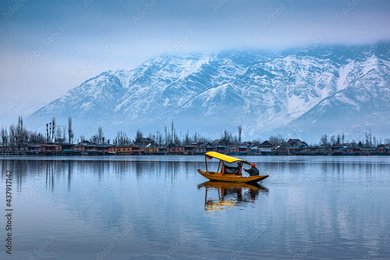
Gulmarg Escapades: Exploring Kashmir's Paradise
Location and Landscape:
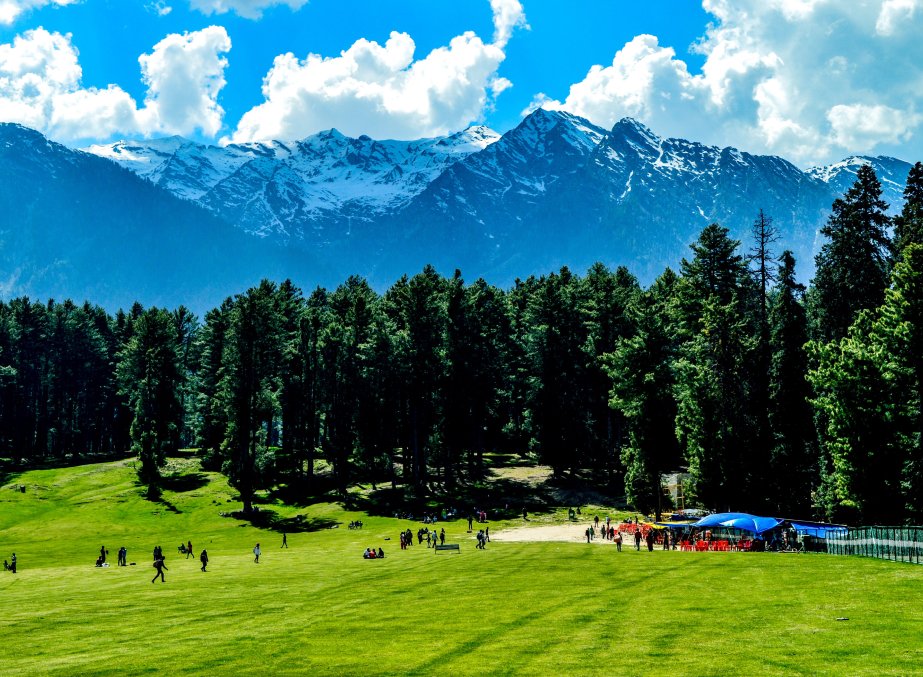
Situated in the Baramulla district of Jammu and Kashmir, the Gulmarg Biosphere Reserve spans across an area rich in biodiversity. Encompassing the famous hill station of Gulmarg, this reserve extends over lush meadows, dense forests, and alpine ecosystems, showcasing an unparalleled natural landscape.
Floral Diversity:
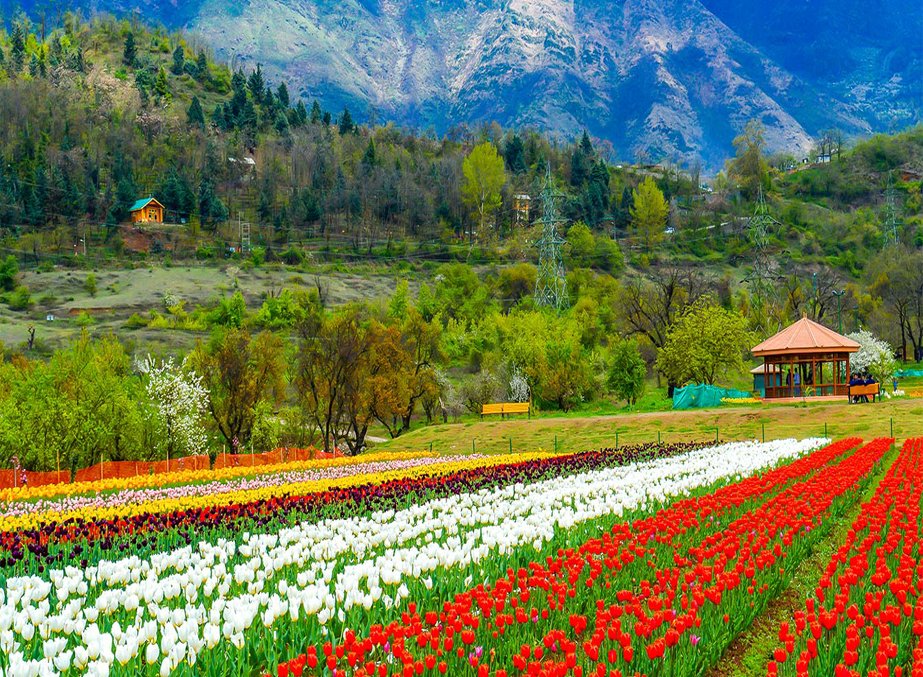
The biosphere reserve is renowned for its rich floral diversity. During spring and summer, the meadows burst into a riot of colors with an array of wildflowers, including buttercups, forget-me-nots, and bluebells. This blooming spectacle against the backdrop of snow-capped peaks is a sight to behold.
Biodiversity and Fauna:
Avian Abundance:
The Gulmarg Biosphere Reserve is a paradise for birdwatchers, boasting a diverse avian population. Various species of birds, including the Himalayan Monal, Koklass Pheasant, and Golden Oriole, grace the skies and the forested areas, making it a birding hotspot.
Wildlife Sanctuary:
The reserve harbors a range of wildlife species. The dense forests provide a habitat for animals such as the Hangul (Kashmir Stag), Musk Deer, Himalayan Black Bear, and Leopard. These species thrive in the protected environment, contributing to the region's ecological balance.
Conservation efforts within the Gulmarg Biosphere Reserve are aimed at protecting its delicate ecosystems and safeguarding endangered species. Strict measures ensure sustainable tourism practices to minimize the impact on the reserve's fragile environment.
Ecotourism Opportunities:
Visitors have the opportunity to explore the reserve through eco-friendly activities like guided nature walks, birdwatching tours, and trekking expeditions. These activities not only allow travellers to appreciate the natural beauty but also raise awareness about the importance of preserving these ecosystems.
Preserving Nature's Legacy:
Challenges and Conservation Initiatives:
The Gulmarg Biosphere Reserve faces challenges like habitat fragmentation and human-wildlife conflicts. Conservation initiatives focus on habitat restoration, community involvement, and wildlife protection to mitigate these challenges.

Novarsistech Copyright 2008-26. All rights reserved.